Adult Children, Aging Parents, And Financial Independence
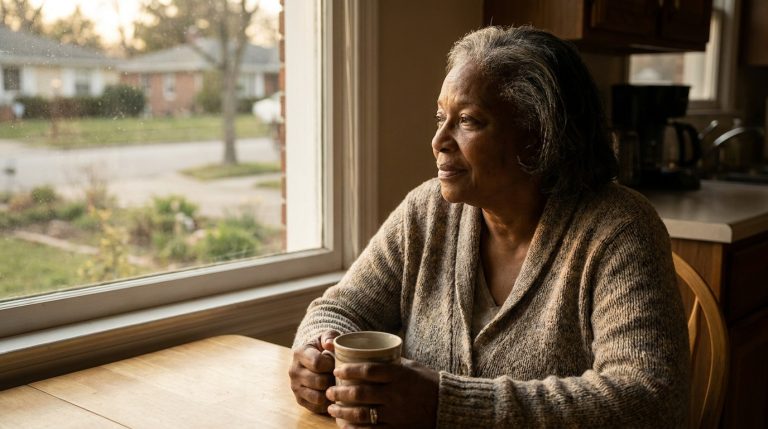
My daughter rearranged my kitchen cabinets when she came to visit last October.
She didn’t ask. She arrived on a Friday evening, and by Saturday morning, while I was out walking, she had moved my everyday dishes down to a lower shelf because, she said, she didn’t want me reaching up too high. She meant it with her whole heart. I know that. I have never doubted for a single moment that everything my daughter does comes from love.
But when I came home and opened that cabinet and found everything in the wrong place, I stood there for a moment with my hand on the door and felt something I didn’t expect.
Not gratitude. Not warmth. Something closer to the feeling you get when someone finishes your sentence and gets it wrong.
I moved everything back that afternoon. I didn’t say much about it. But the moment stayed with me, and I’ve been thinking about it ever since, because I think it contains something true about what it means to grow older inside a family that loves you.
The Thing About Needing Help
There will come a time, for most of us, when we need more help than we do right now. I am not naive about that. My body is sixty-seven years old and it tells me things in the morning that it never used to bother mentioning. I know what aging is. I watched my mother move through it and I watched her mother before that, and I understand that the arc bends in one direction.
But understanding that a season is coming is not the same as living in it yet.
One of the harder things about getting older inside an American family is that love and fear often arrive together. Your children watch you age and they feel something they don’t always have words for, a low, ambient worry that lives underneath the ordinary rhythms of their lives. They see you move a little slower than you used to. They notice things. And because they love you, that noticing turns into helping, and the helping sometimes arrives before it’s been asked for.
I understand it. I have been that person on the other side of it. When my own mother was in her late seventies, I felt that same pull, to fix things, to prevent things, to arrange the world around her in a way that made me feel less afraid of losing her.
But understanding where a thing comes from doesn’t always make it easier to receive.
What Dignity Actually Means at This Age
Dignity is a word people use loosely. We talk about it in relation to tragedy, to illness, to the end of life. But dignity is also present in the everyday moments, in being the person who decides where her own dishes go, who drives herself to her own appointments, who manages her own money and makes her own choices about how to spend a Saturday.
Dignity, at this stage of life, is the right to be the author of your own ordinary days.
When that authorship starts to be gently taken over, even with the best intentions, something in a person resists. Not out of stubbornness, though it can look like that from the outside. Out of something deeper and more essential. The need to remain a subject in your own life rather than becoming an object in someone else’s concern.
I have a friend named Robert, a retired postmaster, steady and good-humored, who told me his son had started calling every evening to check whether he’d eaten dinner. Robert is seventy years old and has been feeding himself for roughly fifty-five of those years without incident. He told me he started letting the calls go to voicemail sometimes, not because he didn’t love his son, but because he needed at least one evening a week where nobody was monitoring whether he’d had a meal.
He felt guilty about it. That guilt is its own kind of burden.
The Fear of Becoming a Burden
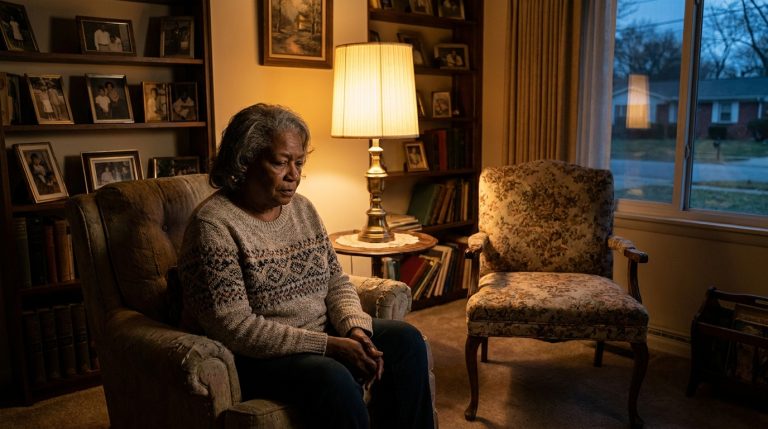
Here is the thing that lives underneath most of these conversations, the thing aging parents rarely say directly to their children but carry quietly in their chests like a stone they’ve learned to walk around.
We do not want to be your burden.
That sentence carries decades of pride and love and fear and American self-sufficiency all wound together. Most people in this generation were raised to handle their own affairs. To ask for help only when absolutely necessary. To present themselves to the world, and to their families, as capable and composed and managing just fine.
The idea of becoming someone who needs to be managed, whose cabinets need to be lowered, whose meals need to be checked on, whose car keys are quietly assessed every time a child visits, that idea is not just uncomfortable. For many of us, it touches something close to the center of who we believe ourselves to be.
I don’t want my children worrying about me. Not because I don’t value their love, but because I know what worry costs the people doing it. I watched my mother carry guilt about her own needs for the last decade of her life. I would like to spare my daughter that if I can.
And so I stay quiet about small struggles. I handle things on my own that I probably could ask for help with. I present the version of myself that reassures rather than alarms.
I know I’m not alone in this. I know that in quiet houses all across this country, older Americans are doing the same careful math, measuring how much to say against how much worry it will cause, managing the feelings of people they love at the cost of their own ease.
What Adult Children Often Don’t Realize
My daughter is a good woman. She is thoughtful and warm and she shows up. I want to say that clearly before I say this next part.
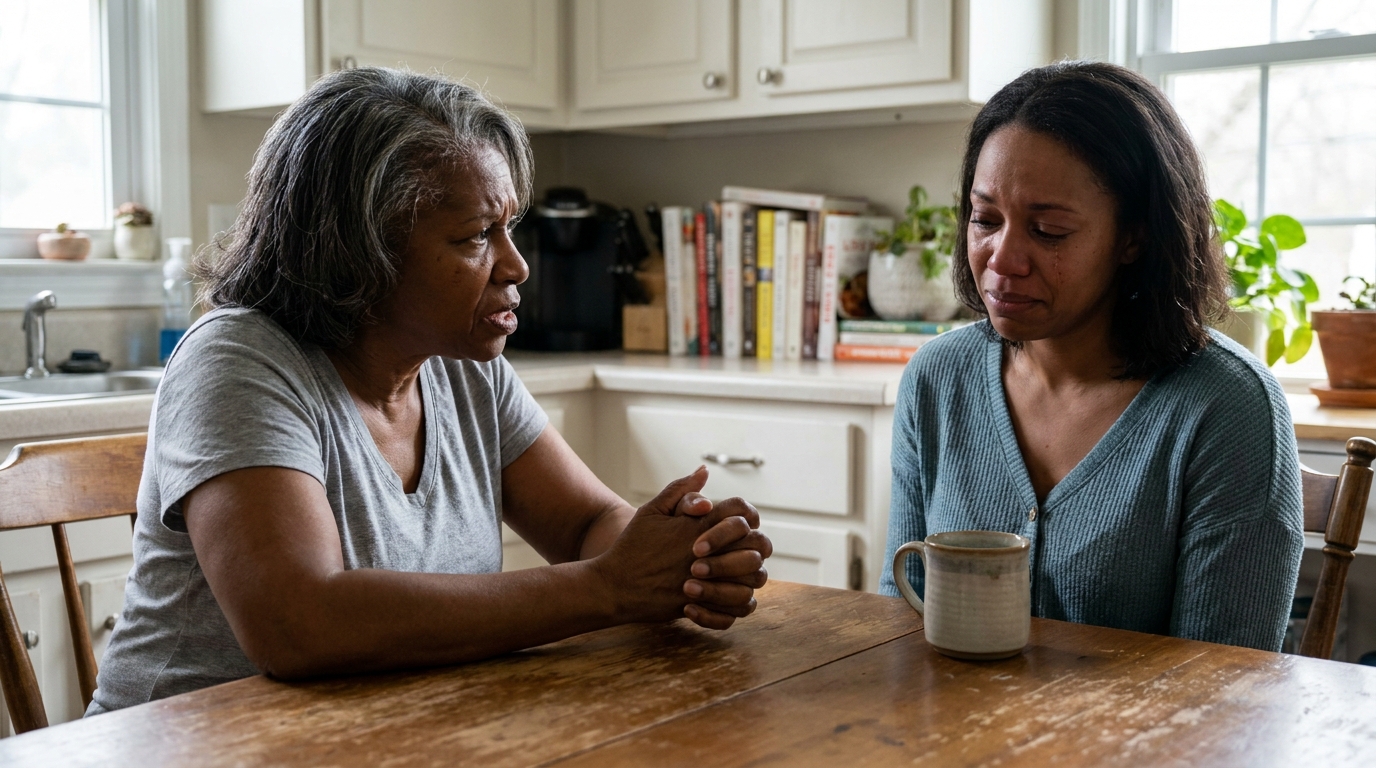
What she sometimes doesn’t realize is that her worry can land as a verdict. When she moves my dishes without asking, what I hear underneath the loving intention is: I don’t trust you to manage your own kitchen. When she sends me articles about fall prevention or asks twice whether I’ve been to the doctor, what registers below the surface of my gratitude is a quiet suggestion that I am becoming someone who needs to be watched.
I don’t think she means that. I know she doesn’t mean that. But meaning and landing are not always the same thing.
What helps, what has always helped in the moments when we’ve managed to get it right, is when she asks instead of acts. When she says, “Is there anything you’d like help with?” and then genuinely accepts the answer, including when the answer is no. When she trusts that I know my own life better than anyone else does, and that if I need something, I am capable of saying so.
That kind of respect is its own form of love. Quieter than the rearranged cabinet kind, but deeper.
Finding the Middle Ground
I have had to do my own work in this too. I have had to learn to accept help in smaller ways without feeling like I am surrendering something. To let my daughter carry the grocery bags without making a point of not needing her to. To say yes sometimes when yes is the honest answer, even when no feels safer to my pride.
The middle ground between independence and interdependence is not a comfortable place. It requires ongoing negotiation, in families that are good at talking and in families that mostly aren’t. It requires adult children to lead with questions instead of solutions. And it requires aging parents to trust that asking for help is not the same as giving up the story of themselves.
My dishes are back where I put them. My daughter is coming again next month, and I love that she is coming. I will probably remind her, gently and only once, that my kitchen is still mine.
And I think she will hear me. She usually does, when I say things clearly enough.
That is, in the end, what family is. Not the absence of tension, but the long, patient work of learning how to love each other without losing each other in the process.