
The Financial Reality of Being a Stay-at-Home Mother Nobody Talks About
My mother kept a house, raised four children, managed the finances, cooked every meal, held every emotion, and showed up completely for her family for forty years.
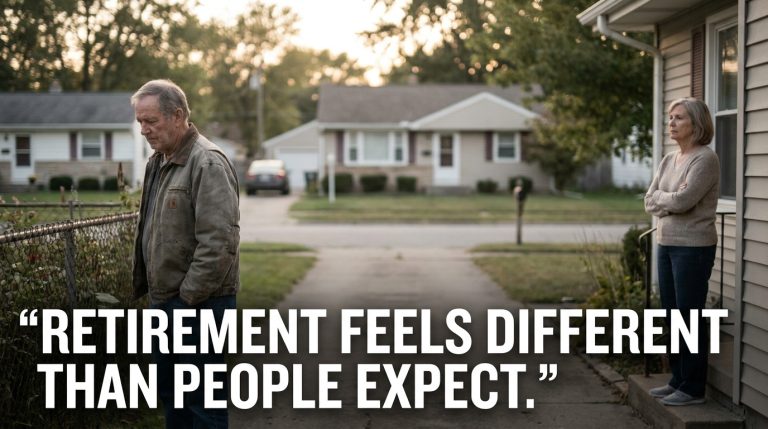
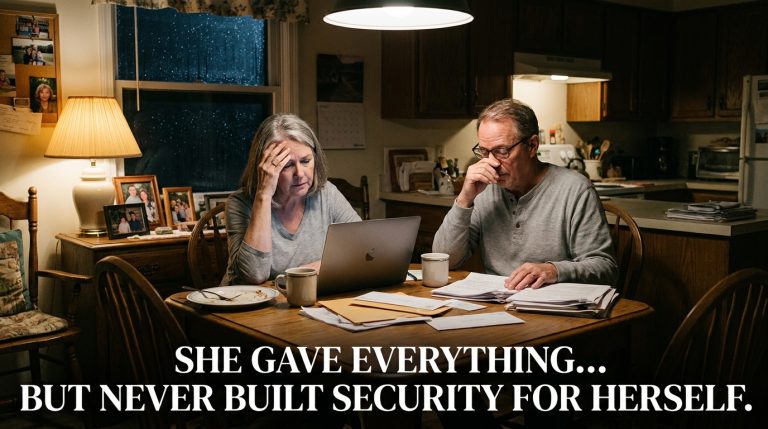
And when my father passed, she was sixty-one years old with no savings in her own name, no retirement account, and a Social Security check that was a fraction of what it should have been because she had spent her working years working without pay.
I have carried that image my entire adult life.
There is a conversation that does not happen nearly enough about the financial reality of women who spend their lives in the home.
We talk about stay-at-home motherhood in emotional terms. We talk about the sacrifice and the love and the importance of raising children well. All of that is true and real and meaningful.
But we do not talk honestly enough about what that sacrifice costs a woman financially over the course of her life. And that cost is significant.
A woman who leaves the workforce to raise children and manage a household loses more than income. She loses years of retirement contributions. She loses Social Security credits. She loses the compounding growth of money that was never invested because it was never earned officially. She loses professional continuity that is very difficult to rebuild after a long absence.
She gives decades of real, valuable labor and receives no paycheck, no pension, no benefits, and no financial protection of her own for it.
I am not saying this to suggest that raising children and keeping a home is not valuable. It is among the most valuable things a person can do.
I am saying this because value and financial security are two entirely different things. And too many women discover that gap far too late.
My mother’s story is not unusual. It is the story of millions of women across this country who gave everything and arrived at the end of their working years with very little to show for it financially. Not because they did not work hard. But because the work they did was never counted.
If you are a younger woman reading this, please take this seriously. Even if you choose to stay home with your children, fight to keep some financial identity of your own. Contribute to a retirement account even if it is a small amount. Understand your household finances completely. Know what Social Security you are on track to receive. Do not let love be a reason to become financially invisible.
And if you are an older woman who recognizes your own story in what I have written here, please know it is not too late to take stock of where you are and make a plan, even now, even quietly, even from wherever you are standing today.
The women who sacrificed the most deserve the most security.
And that conversation needs to happen more often.